MON – FRI: 9am – 6pm | SAT: 9am - 3pm | SUN: Closed
Hair & Skin Care Guide

Bombesque Blog

Everything You Need to Know About Dermaplaning
Nov 15, 2021By Bridgette

Everything You Need to Know About Dermaplaning

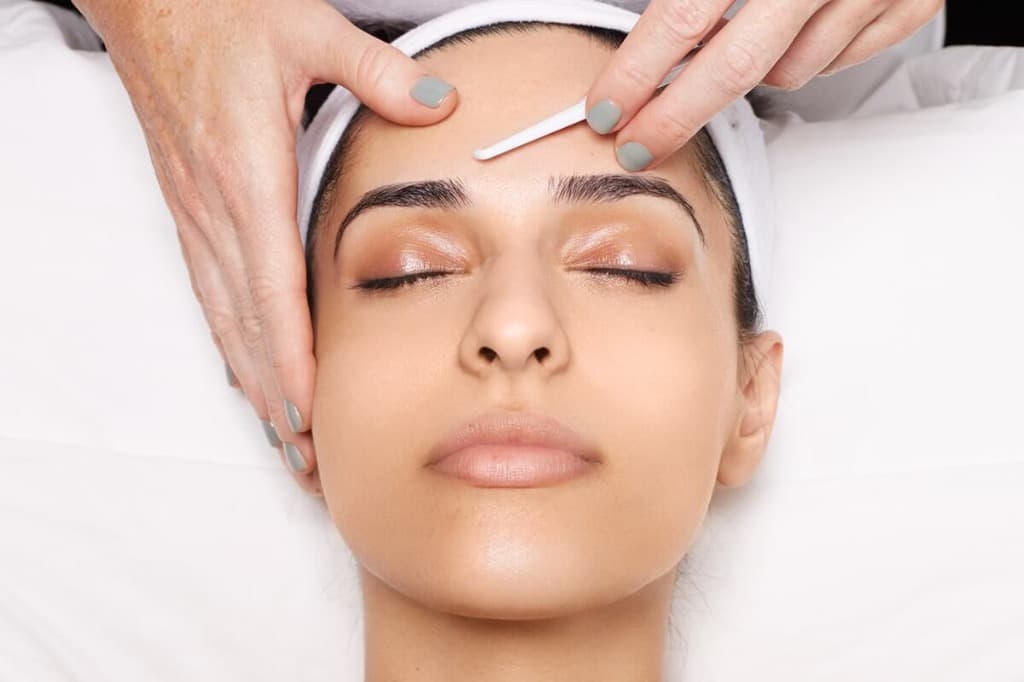
For those that are looking to get youthful skin that is brighter and smoother, a shave may be just the thing! Don’t head to the bathroom to steal your husband’s shaving cream just yet, the process you are looking for is actually called dermaplaning, and it has to be done by a professional. If you are still on board, read on to learn all about this skin brightening technique. What is Dermaplaning? Dermaplaning is called a physical exfoliation procedure, and it actually uses a surgical scalpel to give your skin a very close “shave.” The cosmetologist uses the sterile scalpel to take off the top layer of skin which is mostly dead, and it also takes off all the vellus hair (aka. "peach fuzz") that you have on your face.  Dermaplaning is a non-invasive and painless procedure that does not break the skin. Who Should Consider Dermaplaning? Most people make fairly good candidates for dermaplaning.  Even women and men that have hyperpigmentation, wrinkles, and mild scarring are candidates.  People with sensitive skin can usually tolerate the process better than they can some of the other topical treatments.  Plus, it can be done on women who are breastfeeding or pregnant and aren’t supposed to use peeling agents. Now, there are a few people that do not make good candidates for dermaplaning, and those are generally people who are suffering from acne.  The removal of the vellus hair can be an issue for those with acne because these baby hairs are what the skin oils created by the sebaceous glands travel on.  When the hairs are removed, the oil and bacteria can actually stay under the skin causing even more acne flare-ups. Do I need to Do Anything to Prepare for a Dermaplaning Appointment? You will likely have a consultation appointment with your skin care specialist before heading in for the actual procedure.  She will give you the exact instructions that you may need to follow prior to the dermaplaning procedure. Your skin care specialist will likely ask you to stop using any exfoliating products up to five days before your procedure.  This includes any facial scrubs or chemical exfoliation products.  You will also need to stay out of the sun and the tanning bed for about a week to ensure that your skin is healthy and undamaged before the procedure. You also do not want to have any injections prior to your dermaplaning.  Hair removal such as waxing, threading, or sugaring shouldn’t be done closer than one week before your procedure.  Also, you won’t be able to have dermaplaning on skin that is broken or has an open wound.  This includes major breakouts. What to Expect During Your Dermaplaning Appointment? If you have ever had a facial before, you may find dermaplaning similar to the facial process.  Your skin care expert will lay you down on your back and use a cleanser on the skin.  We may also use a cleansing brush to scrub away all of the dirt and oils, and then a toner may be used to ensure that all the oil is completely removed. For the best results when dermaplaning, the skin needs to be very dry.  Once the prep is finished, the skin care specialist will use a sterile surgical blade to scrape the skin.  We will work in sections holding the skin taut.  While it is not a painful procedure, your skin may feel tight because of the lack of moisture. Once the dermaplaning is completed a moisturizer and sunscreen will be applied to the skin. What is the After-Care Process for Dermaplaning? Your skin care specialist or dermatologist may give you exact instructions on how to care for your skin after the procedure. However, it will most likely include avoiding sun exposure for a few days post treatment, and wearing a strong SPF for a few weeks afterward. Other things that you may be asked to avoid include: Steam Rooms and Saunas Heavy Workouts Chlorine Facial Waxing Dermal Fillers or Botox Rubbing, Scratching, or Picking the Face Scrubs or Facial Cleansing Brushes We recommend moisturizing more than usual or even using a serum for the few days immediately following your dermaplaning procedure. How Long Do Dermaplaning Results Last? The results of dermaplaning can last from about three to four weeks.  Most skin care experts recommend getting it done on a monthly basis, but your individual results might vary.  After the first few sessions, we will gauge your progress and determine an ideal schedule to fit your individual needs.  Dermaplaning is not invasive, and it gets real results.  People notice that their skin looks brighter and more youthful, and that makeup goes on with a much smoother finish. Learn more about Bombesque's Dermaplaning Services or give us a call at 480.543.9878 to schedule an appointment today.  You won't be disappointed.
What is the Balayage Hair Technique?
Oct 12, 2021By Bridgette

What is the Balayage Hair Technique?

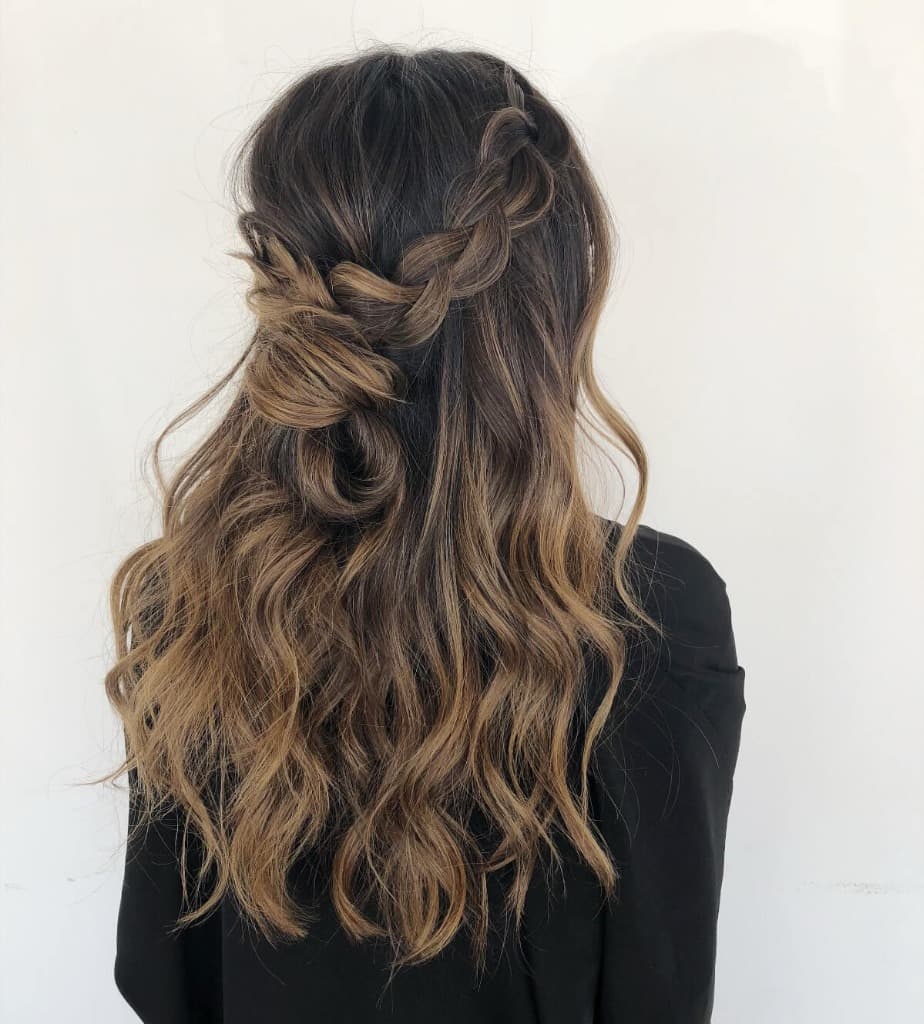
While balayage may be a common trend at the moment, it is actually a style that has been around for decades.  In fact, it is thought that the technique was invented in the 1970s.  The word “balayage” comes from the French language, and it actually means “to sweep.” The Balayage Technique Basically, the technique involves “sweeping” a lightener through the hair, in small triangle sections, by hand with a paddle board and a brush.  Adding the lightening in this manner gives the hair a much more natural looking highlight.  The ends of the hair will be lighter, and the natural hair color will be much softer on top.  It is the perfect “sun-kissed” look that women adore. The entire process can take anywhere from ten minutes all the way up to three hours.  It really depends on what the stylist is trying to achieve.  When just adding a few face-framing strands the process is relatively quick.  However, if the entire head is being done, and the colors are very complicated, then you are looking at several hours. For those that are doing the entire head and want a really personalized color, it may actually take several treatments to blend all of the desired shades.  We may have you come in for three or four different sessions over a six-week period, but the end results will be a gorgeous multi-faceted and dimensional color. Pros and Cons There are many benefits to choosing balayage as your hair lightening style.  The first is that it gives you a unique look because the dye colors are custom blended for you.  Plus, the application is done by hand allowing us to perfectly frame your face and give you the contour that best suits your look. Another pro for balayage is that it is a relatively low-maintenance style.  Unlike other types of highlights that start showing roots right away, you can get away a lot longer with a balayage hair color.  In fact, many of our clients only touch their hair up a couple of times per year. Balayage is great because it is one of the most universal hair techniques meaning it literally looks good on everyone...well, it may be difficult to achieve the look on a pixie.  However, all other hairstyles, colors, and textures look amazing with a balayage technique.  Plus, it can be worn at all ages. Finally, there is less damage involved when doing balayage because it doesn’t cover the entire hair, and it doesn’t use any heat to set. With all those pros, it is hard to see how there could be any cons, and there aren’t really that many.  The biggest con is that the process doesn’t do a whole lot in the way of covering gray hair.  Since the coverage is limited, it can really only be used to blend the gray as opposed to covering it. Balayage For All Since this style looks so great on everyone, there really is no con to trying it out at least once.  To end up with the best results, it is a good idea to have your color done by an experienced stylist.  And we just happen to know of one!

Know the Difference:  Ombre vs. Balayage
Sep 28, 2021By Bridgette

Know the Difference: Ombre vs. Balayage

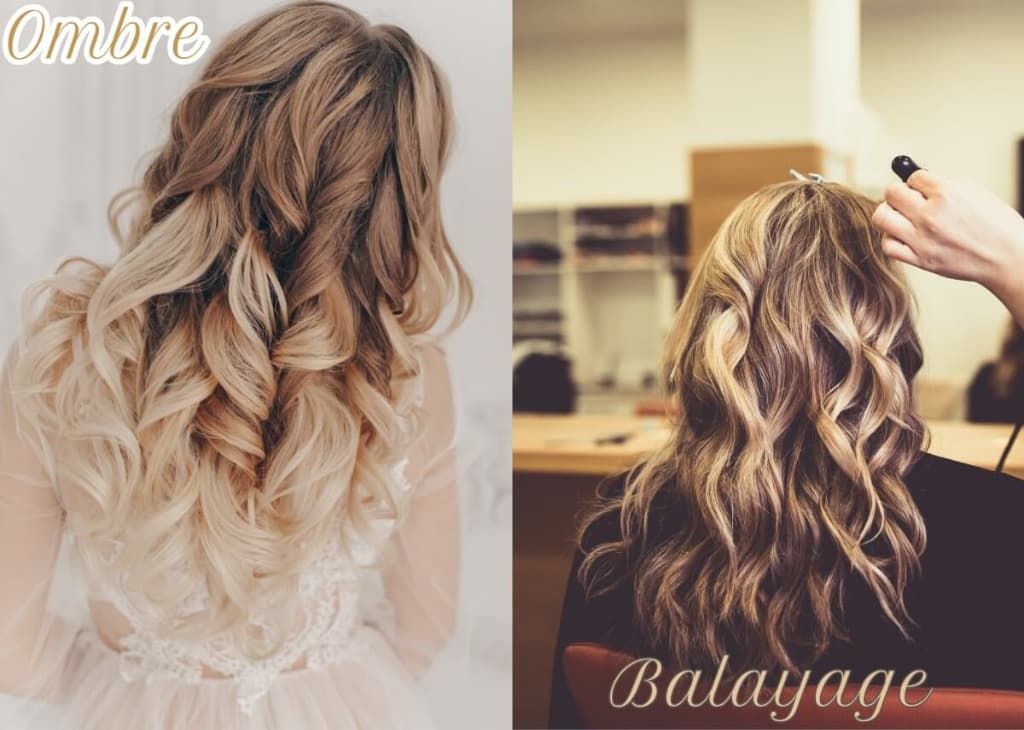
It can be increasingly difficult to keep up with all the various beauty trends, and even when you know the names of the trends, it can be hard to understand exactly what they mean.  A good example of this type of confusion is the hair style trends of balayage and ombre.  You may not know what the difference between the two is or which one you should ask for when you come into Bombesque for your appointment.  Have no fear!  This article will set that record straight once and for all. What is an Ombre? Ombre is actually a French word, and it means “shadow”.  In reference to the hair trend, ombre is the actual style.  It is the way that people want their hair to look.  Basically, it is the hair transitioning from a darker shade to a lighter shade. The best ombre looks are generally achieved on brunettes because there is a lot of color transition, whereas on a blonde the transition is much more subtle.  It can be a daring style when the transition shifts from a natural hair color to something vibrant like blue or purple.  The transition is complete meaning that there are no dark strands left at the bottom of your hair. An ombre hairstyle that is bold or dramatic will require a lot of maintenance.  The color blocking needs to be maintained to keep your hair from looking drab, and it is always recommended that you give us a call if this is the look you are after.  It is very difficult or downright impossible to achieve this look with a box of drugstore dye. What is a Balayage? Balayage is also a French word, and it means “to sweep”.  While ombre refers to the style that you are asking for, balayage is actually a word for a technique.  The sweeping motion that is used to achieve the effect is actually what you are referring to when you use the word balayage. The two hairstyles are very similar, and they both use a dark to light color-blocking style. However, in balayage, there are darker pieces left at the bottom. Leaving the darker stands gives the hair more dimension, which in turn, gives it a more natural look. While ombre never really looks natural (nor do you really want it to), subtle balayage can look like sun-kissed hair. It can look like you just returned from a lengthy beach vacation. Similar Hair Styles There are a few other hair styles that are similar to ombre and balayage that are also trending.  All five of these fall into the same category. Hair Painting: Those that tend to be the artsy types are growing the hair painting trend.  Hair painting is a free-form technique in adding color to the hair.  The stylist literally paints on color using a paintbrush and an artist’s palette.  There is no specific pattern or technique that is used, and it requires the stylist to have a very trained eye.  The plus sides for the technique is that hair generally looks more natural (if it is done well), and it is a much faster process than dealing with all the foils. Babylights: This is a style that combines the techniques of highlighting and balayage.  It is an attempt to mimic the very sun-kissed and subtle natural highlights found in children’s hair.  The stylist uses very small amounts of hair in the foils to create delicate highlighted strands.  This is an excellent style for blondes because it gives so much dimension to the color. Foilyage: This is one of the newest techniques, and it combines the painting technique used in balayage with the vibrancy of color that is achieved using foils.  It is sometimes considered an upgrade to a balayage, and it really packs a great color punch.  Dark hair looks really great with this technique because there is more lift when using the foils. Now that you know the difference between all of these hair styles, give us a call today at 480.225.9549 to make an appointment!